
Go Fourth and Multiply
A letter from Edward Mason Anthony IV to Edward Mason Anthony the first, on his 200th birthday.

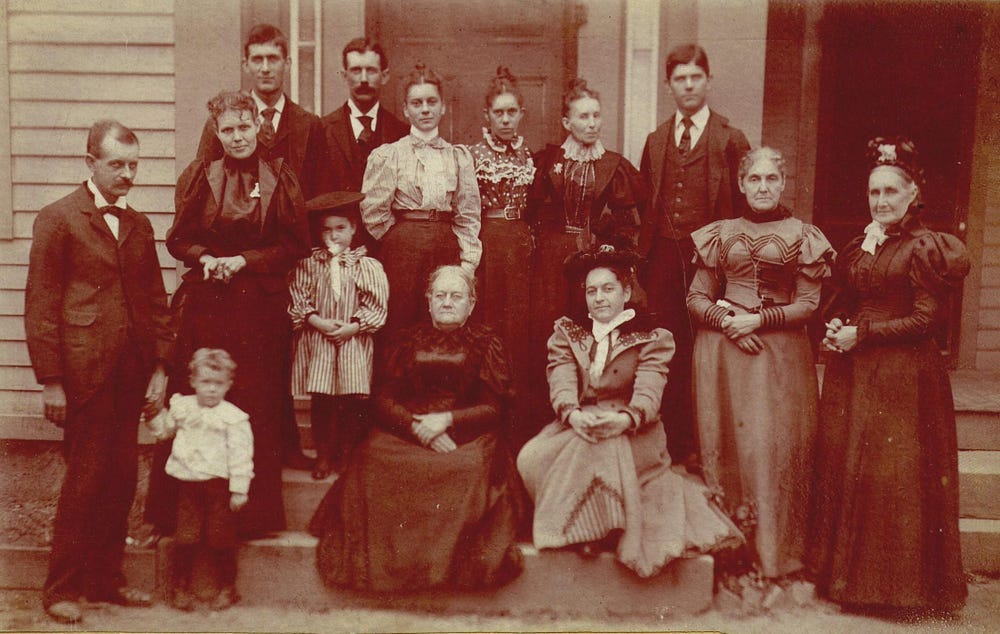
One in a series of essays inspired by the intersection of family photographs and memory.
SHORTLY BEFORE I WAS BORN, in 1968, one of my father’s friends, the famed 20th-century linguist Albert Marckwardt, learned that I would be named Edward Mason Anthony IV. “My God, Ed,” he quipped to my father. “It sounds like a dynasty.”
My father, for that moment the third and only living Edward Mason Anthony, shot back: “Yes, we plan to keep going until Edward VIII” — pause for effect — “and then abdicate.”
We’re still headed in that direction.
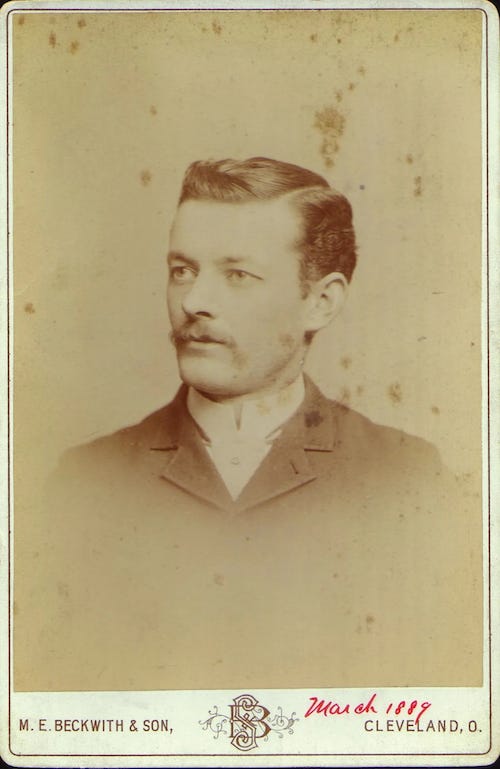
My son, the talented Nashville musician Edward Mason Anthony V, is but the latest iteration in a two-century series of successive male offspring with that name.
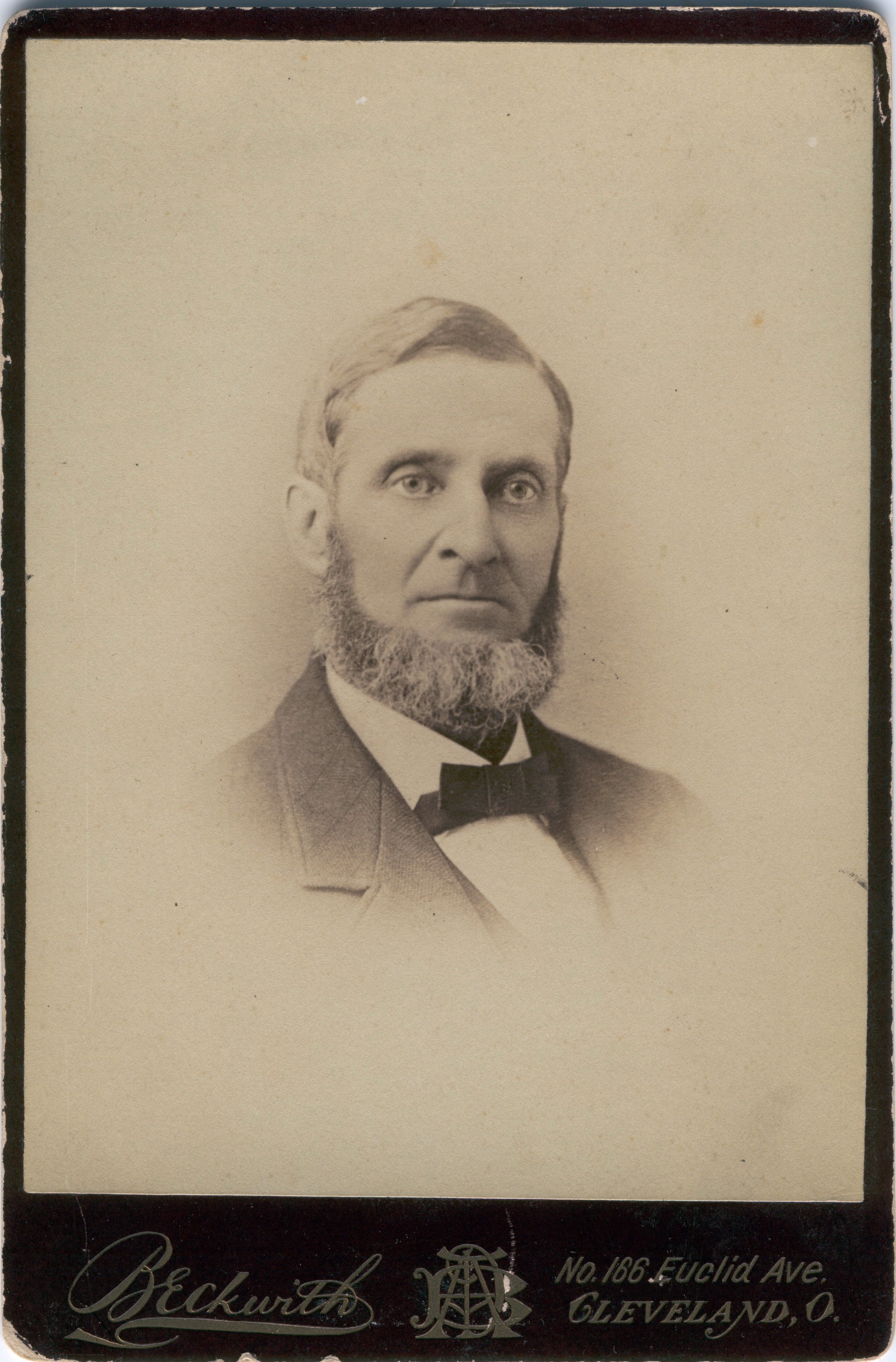
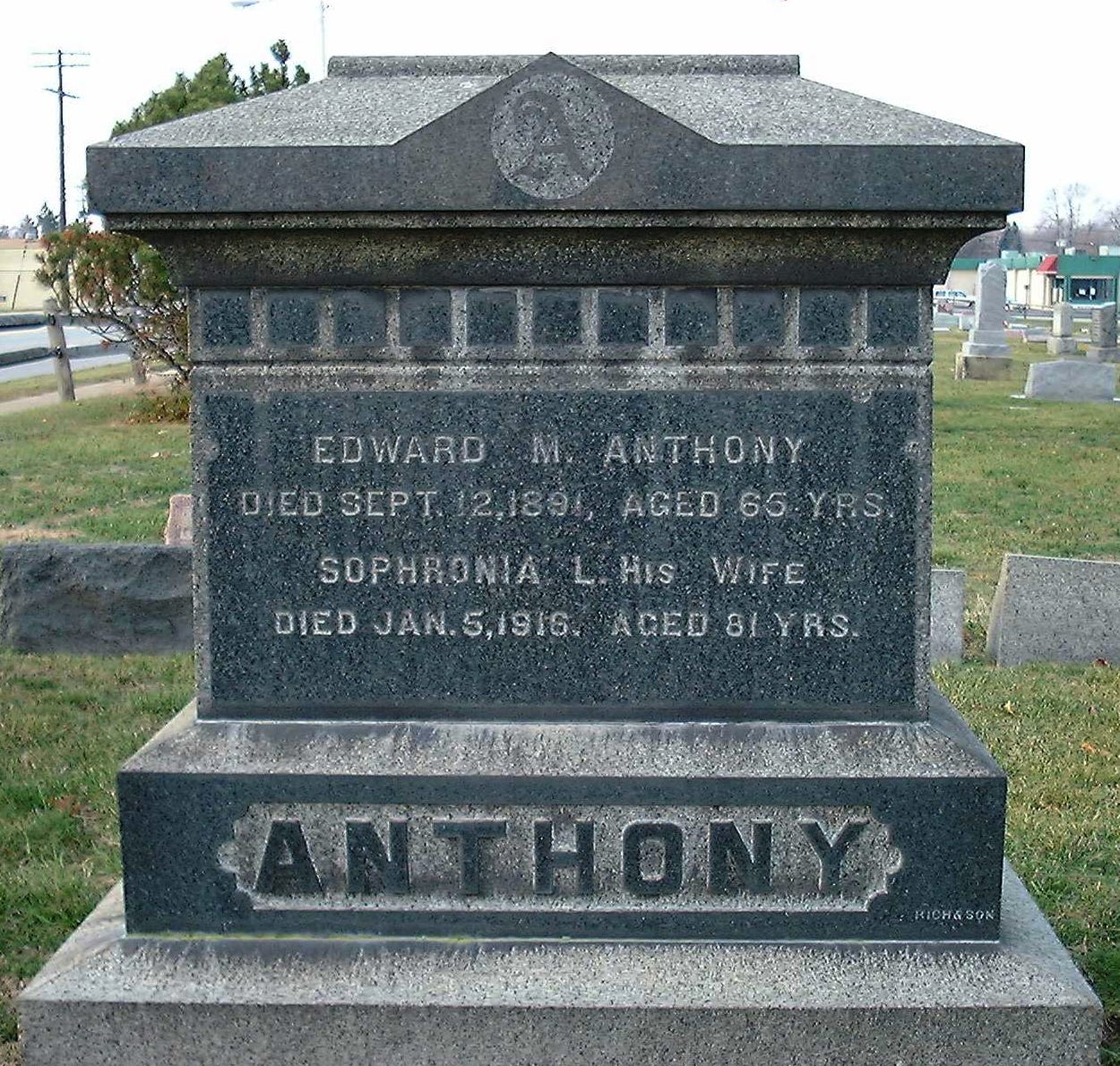
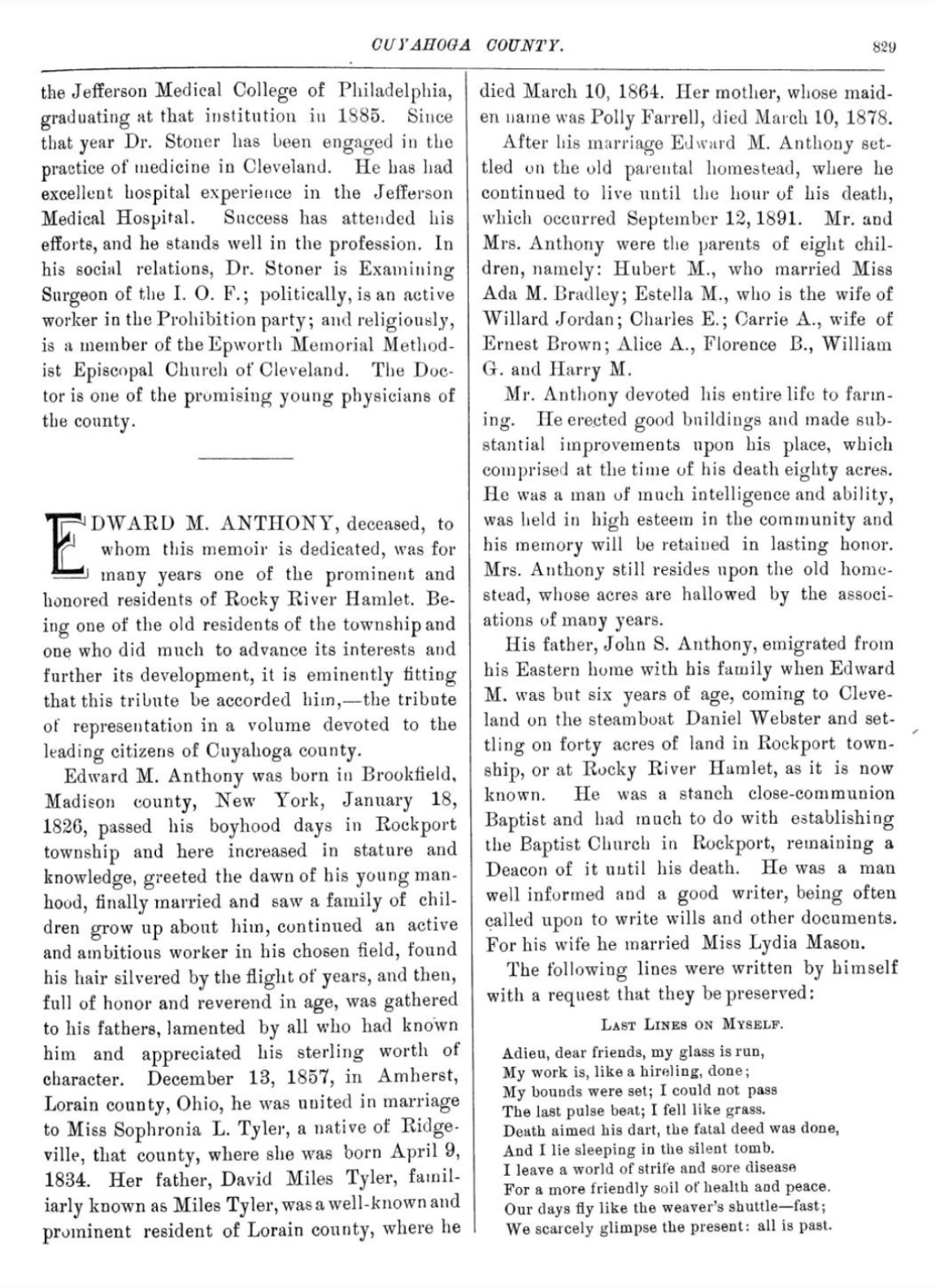
Exactly 200 years ago Sunday, on Jan. 18, 1826, a baby christened Edward Mason Anthony was born to James Shearman and Lydia (Mason) Anthony of Brookfield, New York. When he was just 6, his family moved him to the woods west of Cleveland in 1832 via a newfangled waterway called the Erie Canal. He grew up, inherited his father’s farm, watched the nation break apart and come back together, helped raise eight children and saw the 20th century approach before he died on Sept. 12, 1891.
I recognize that there’s something resoundingly, even annoyingly male about this sequence of Edward Mason Anthonys. I get that it is, in some ways, a synonym for privilege. And yet I cannot help but embrace it; for my entire life, it has meant a lot to me. Continuity, it turns out, is a valuable commodity.
So I’ve been planning for many years to write about him on his birthday. A couple weeks ago, though, I came up with another idea. As a family historian, I’ve always wanted to feel closer to my forebears. I thought: I’ll write to him.
So I did. It seems I had quite a bit to say.
Edward Mason Anthony
Coe Ridge Cemetery
Lorain and Walter Roads
North Olmsted (Formerly Rockport), Ohio 44070
Jan. 18, 2026
Sir,
I hope you don’t find it forward if I propose that I call you Edward. Great-great Grandpa sounds weird and forced. “Mister Ed” is just wrong, for obvious reasons. And since we have the same name and the same lineage, I’m thinking we can dispense with the formalities.
I’m going to presume that you’ve been watching all this time since you died 135 years ago, so I’m not going to spend much time bringing you up to speed on your descendants.
I do suspect that you would find the nation you loved to be almost unrecognizable at this late date. I’m not just talking about the technology and the human ability to move around, both of which would have blown your mind. I’m writing this from Beijing, which you would have known as Peking if you had ever come across it. I’m writing it on a “laptop computer” that’s like a magical version of a typewriter, which I suspect you may have seen emerging shortly before you died.
The year you were born was the 50th anniversary of the United States of America. This year, we mark the 250th. We are still trying to figure out our Great Experiment, just as you were in the 19th century. I’m afraid you might not be proud of some of what you see.
Yet I wonder if you’d find succor in the fact that your progeny, including (but definitely not limited to) your namesakes, are still here, still trying, still determined to make things better. We love this country as you loved this country — perhaps in different ways, perhaps with different language, but there is deep, fundamental love nonetheless. And that’s in part because of you, though I don’t think I could document that scientifically.
But that’s not really what I’m writing to you about. (When was the last time you got mail, I wonder.)
I could spend reams of paper (though we don’t use paper as much as we used to) talking about all the changes you would see if, somehow, you awakened for a day and got a chance to look around. That would be fascinating. I have dreamed about it, actually — the notion of being able to show the first Edward Mason Anthony around my world. I wish that could happen, even though I know this life does not offer us such boons.
No. What I wish to talk to you about is, mostly, continuity. Is that a concept you even considered? I think it must be, because the frame of mind in our family has clearly, since the 1600s, been a sense that things mattered and deserved to be remembered. Your grandfather’s will even said, in script written at his behest by one of his neighbors back in Brookfield, “Let it be preserved.”
I don’t know why I’ve been so focused on the history of my family since I was a child. Maybe it’s because our immigrant ancestor, the supposedly Portuguese sea captain Manoel Antonio, remains such an unsolvable mystery. Maybe it’s because your father and brother kept such good records of our ancestors and of births, deaths, christenings and times that the Anthony family moved, bit by bit, westward with the republic. Pieces of paper — cracked, crumpled, decaying — that were tangible pieces of your present and my past. We’ve always kept good records, we Anthonys, and each is a tiny time portal that points back to you and to others I’ll never have the chance to know.
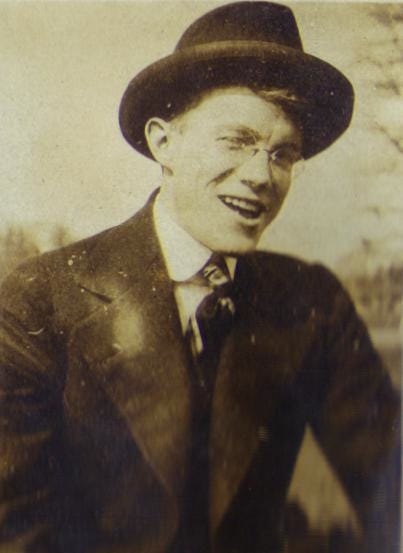
Maybe it’s because continuity feels like such an unreachable destination in the fragmented late 20th century and early 21st. Linear narratives around for decades, even centuries, have crumbled. Some needed to. Some did not. We consume the world in pieces. Perhaps we always have, but it’s so much more evident today than ever before. Awash in a sea of tiny slivers, is it any wonder that I gravitate toward things that make me feel part of something larger, something longer, something that endures beyond the moment — particularly when the moment is so, so confusing?
Finally, perhaps it is because I am an optimist at heart, and I believe that you and your wife, your parents and your children — all of you who came before — could teach me something important. Knowing what I do about you — seeing weathered photos, holding fragile documents, visiting far-flung gravesites — only whets my appetite for more. I picture a roomful of my ancestors, a sort of Jedi Council (never mind) of cross-generational advisers who could tell me about the mistakes they made and the triumphs they achieved — who could point the way with wisdom and equanimity when the times seem just too damn confusing to unpack (we swear a lot these days. Did you?). I am not a particularly religious man, but I believe fervently in the eternal in some form, and I cannot stop wondering about the secrets it holds. You might share those secrets, if only we could talk.
I know you were just a man, like any other man. I have only an establishing shot from a remote vantage point, and I don’t venerate you or put you on a pedestal. But I do think that with the distance of centuries, you might just have a wider view. I remember Emily Webb and the dead people sitting in the cemetery in a play you never saw called “Our Town.” In that play, the dead still cared about the living but were drifting away, taking the longer view, looking at the people of Grover’s Corners as if they were standing on a distant ridge taking it all in. I wish you could give me that perspective — maybe just a conversation here and there, a sense that, as my father (one of your great-grandchildren) used to say, “This, too, shall pass.”
Then I check myself and ask: Can we ever really know our ancestors? Can we really comprehend what they felt, what scared them, how they contemplated the world as they watched it lurch through change? I somehow think that the shifting frame of reference is too strong. Maybe the years that carry us away from our forebears make people like you so distant from our own moment that it’s just impossible to empathize.
Emily looks directly at Mrs. Gibbs.
Live people don't understand, do they?
Mrs. Gibbs
No, dear … not very much.
Emily
They're sort of shut up in little boxes, aren't they? I feel as though I knew them last a thousand years ago.
But I also think that simply by trying, we not only learn more about you but learn more about ourselves. Deep-time context, if you will.
I realize that the more I can know you — even if “knowing” is just through papers and pictures and facts and tombstones and daydreams — the more I can know myself. Not only that, the more I can establish the continuity — the chain of custody of life, if you will — the more I can feel like I belong somewhere. And the more I can ensure that in a world perhaps more confusing than even your Industrial Revolution-era one, I will never truly be a castaway.
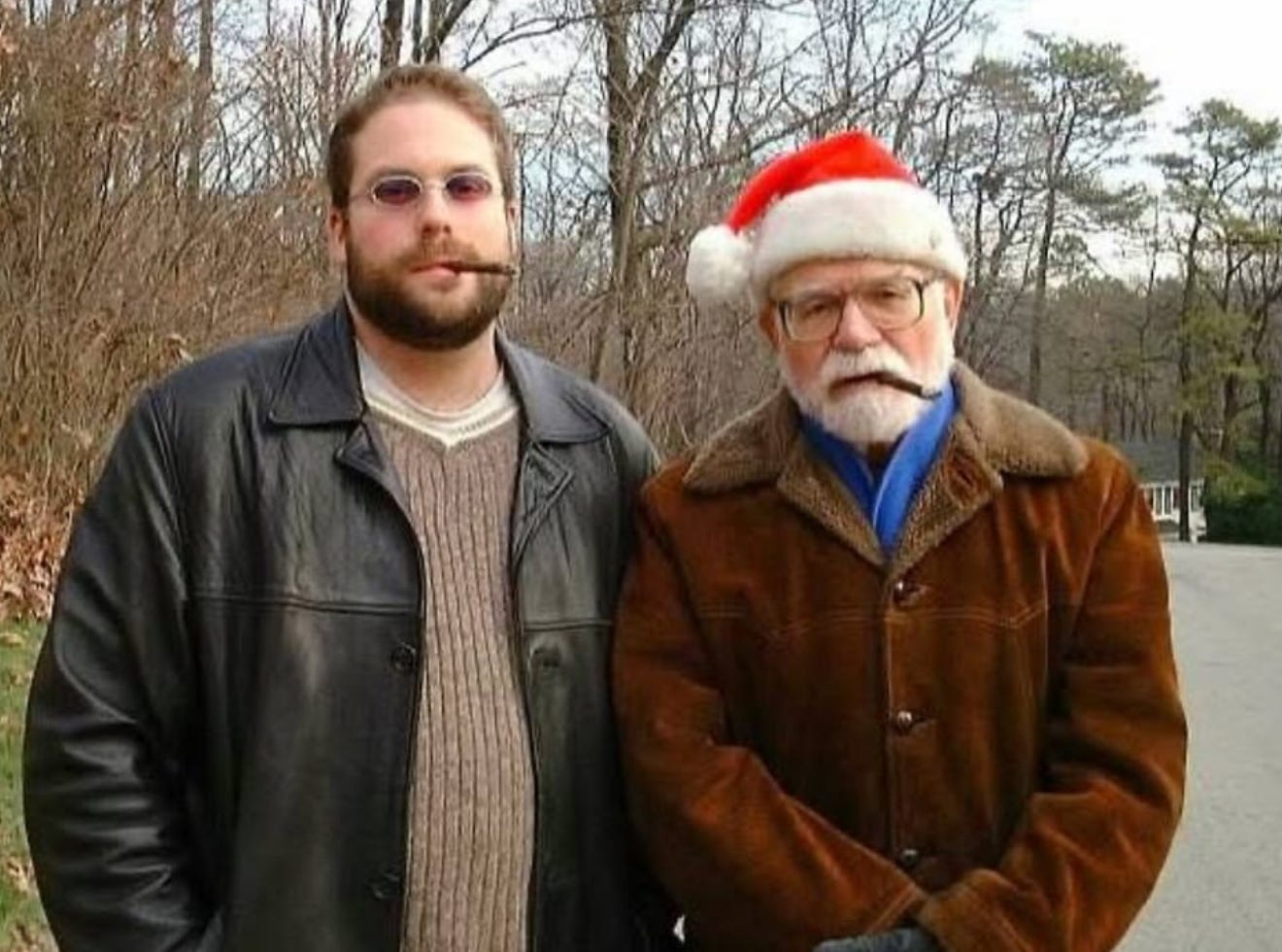
Before I take my leave of you and let you mark your birthday in peace, I have a few questions. If you would consider answering them somehow, from across the mortal coil, I would be grateful. I won’t, however, hold my breath.
What was it like living through the Civil War as two of your brothers fought and one was wounded? Why did you end up not fighting?
Did you have optimism about our nation during your life? What did you love about it? What concerned you? Did you feel the power to effect change?
What was it like being a farmer? What crops did you grow, or what animals did you tend? Did your life, by the end, give you what you had hoped it would? Was that even a question you thought to ask?
Why did you go with the beard-and-no-mustache look? Was it a conscious decision?
Most important: What do I need to know, that I don’t know after 57 years, to live up to the name? How can I be a better citizen, better father, better partner, better friend? Do you have any wisdom of the ages that got lost across the years?
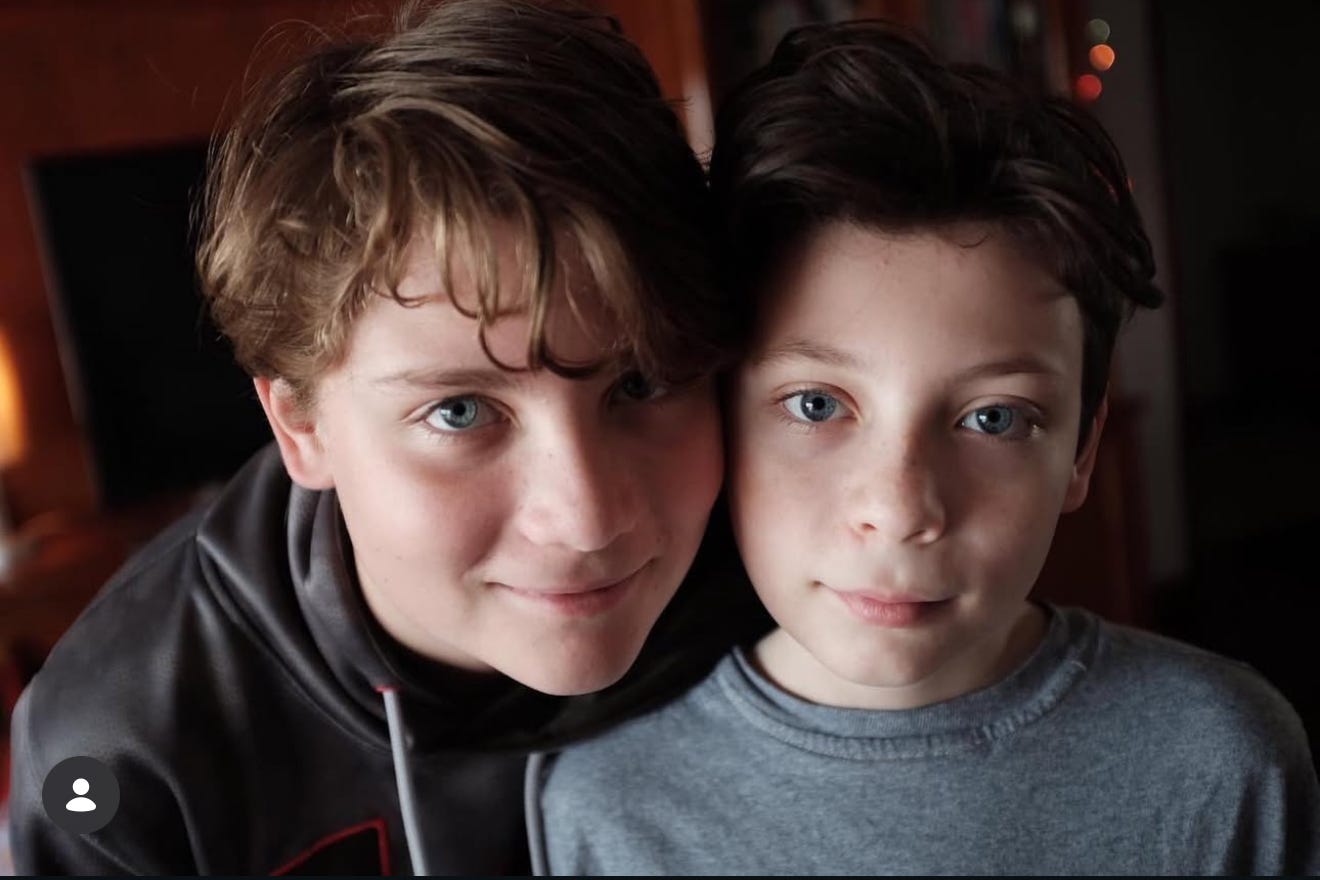
There is a school of thought that no one really disappears as long as someone remembers, and speaks, their name. I’ve always found that notion alluring. But I realize today that our cascading parade of Edward Mason Anthonys addresses that problem adeptly. Each time I say my name, I summon you in some small way. I summon your grandson. I summon my father, gone a decade. And when I am gone, perhaps my sons will summon me, too — even if they don’t realize it.
We can’t live forever, nor should we. But we can choose to remember, at least as long as our brains allow us to. And I guess this weekend, on your birthday, even though I don’t know too much about you and will always wish I knew more, I just want to say: I still remember you.
So happy 200th. And thank you — for the continuity, and for things you never realized you did on behalf of people you never knew existed. I am richer for knowing who you were, for understanding just a bit of your path. On behalf of your son and grandson, of my father and my sons and myself, I’ll raise a glass this weekend — and toast to avoiding abdications. At least not yet.
Keep on resting in peace, sir.
Sincerely,
Ted Anthony
(Edward Mason Anthony IV)
Delightful and definitely significant. Ideal framing concept, Ted -- an approach that had me hearing Hal Holbrook's voice before you went there. Now *that* is a writer-reader connection to appreciate.
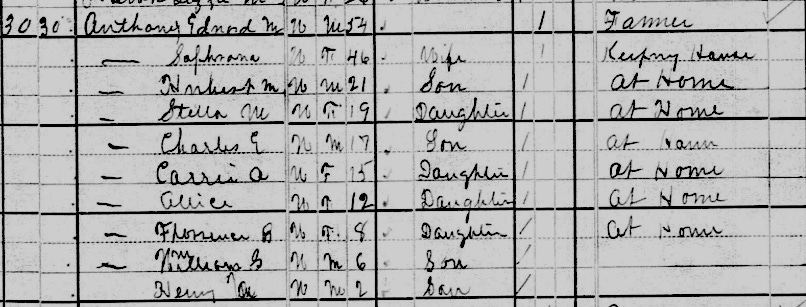
Also appreciated in "keeping house" on an ancestor's 1880 Census line and your five questions. Another well-crafted essay.
What a truly unique and novel idea Ted which has given me quite a lot to think about. Who would I write to and what would I say, just for a start! Very moving and you've captured the mood and tone perfectly in your letter.